
Evidence #18
9 charts covering AI validation, loneliness, cultural stagnation, commodified sadness, ingredients for greatness, geopolitical realignment, monopoly physics, the software crisis, and peak media.

Evidence is a dinner series with the purpose of enabling relationships through meaningful and open discussion. Each guest contributes a chart for discussion that is “evidence of a changing world.”
This dinner was hosted in NYC by Damir and Sony, Partners at Relentless — a new seed-focused venture fund. Attendees included founders, engineers, and product leaders from OpenAI, Meta, Palantir, Mirage, Flox, Loom, DiligenceSquared, Cherry, and Sublime Security.
The Evidence at a Glance
The Judgment Singularity: As AI output explodes, human expertise is the new bottleneck; we risk raising a generation with no baseline for judgment.
The Loneliness Epidemic: By optimizing for a frictionless life, we have secured our physical survival but starved our social souls, automating away the relationships required for thriving.
Cultural Stagnation: Broadway and the arts have entered a “safe-bet” era, swapping original voices for the financial security of existing IP and recycled nostalgia.
Commodified Sadness: Popular music is getting darker, revealing a culture where being perpetually upset is the only remaining way to feel connected in a hyper-curated world.
The Hunger for Greatness: Generational success is fueled by “chips on shoulders” or structural trauma; a comfortable, happy life is the primary driver of stagnation.
Geopolitical Realignment: China is executing a disciplined long game of industrial imperialism while the U.S. clings to waning “soft power”.
Monopoly Physics: The bottom 98% of global public companies fail to outperform a savings account, with just 2% of companies driving 100% of the world’s wealth.
The Software Crisis: The traditional SaaS model is facing an existential threat as AI transforms proprietary code into a cheap commodity and hallows out vertical software.
Peak Media: We have reached a 12-hour consumption ceiling where sleep is the only remaining competitor and algorithms trap us in mirror worlds that filter out the “other.”
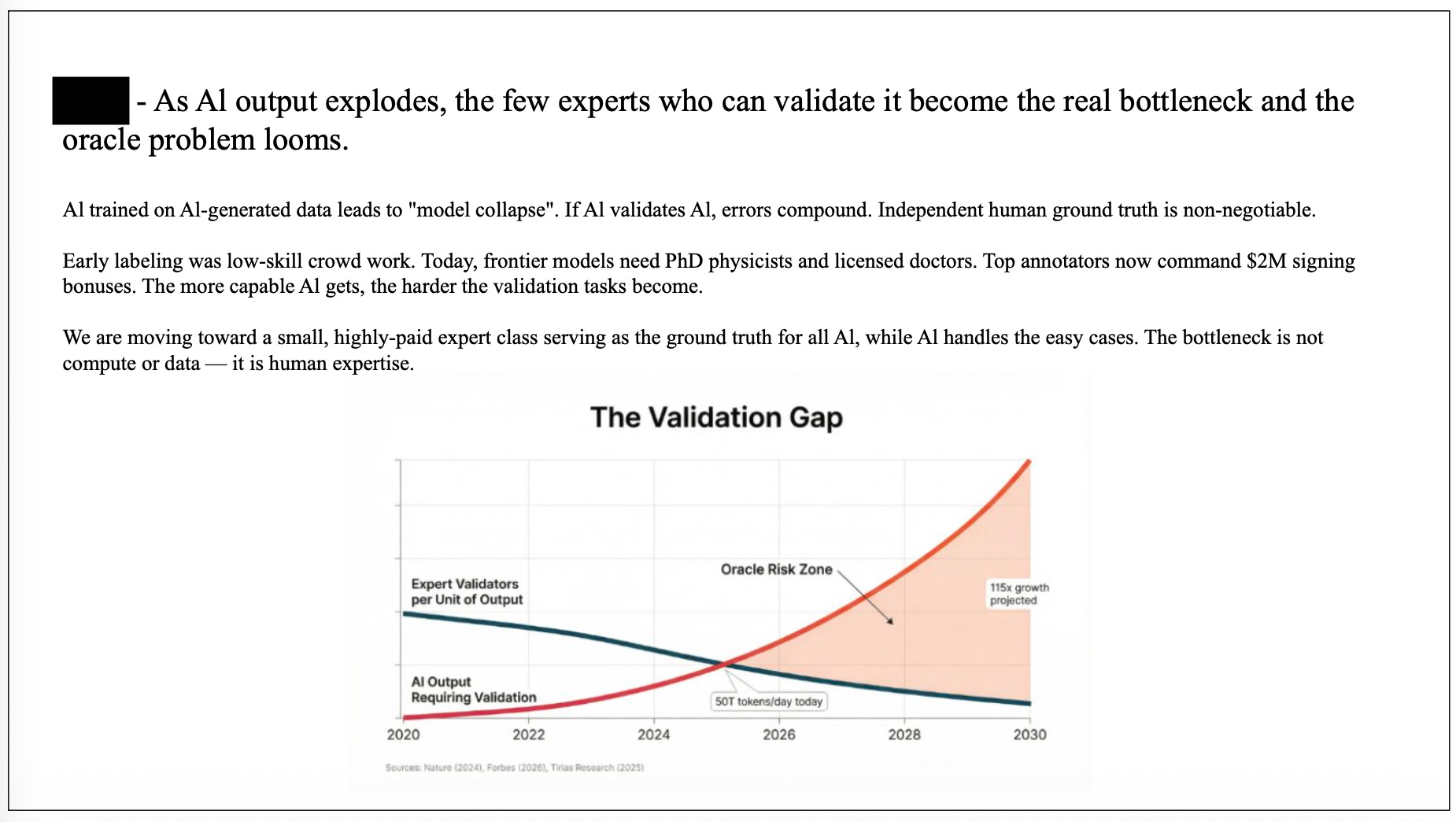
We are hurtling toward a "Judgment Singularity" where the bottleneck of AI progress isn't compute or data, but the dwindling supply of humans qualified to tell the machines they’re wrong. As frontier models cannibalize the entry-level rough work that historically forged human expertise, we risk raising a generation of professionals with no baseline for judgment, even as the few remaining "Oracles" command seven-figure ransoms to sell their private knowledge to the highest bidder. This creates a brutal fork in the road for the industry: either we turn high-level intuition into a hyper-capitalist gig economy where specialized knowledge is strip-mined for training data until the well runs dry, or we abandon the obsession with "ground truth" entirely — accepting a post-truth world where we lean into the risk of AI-generated logic simply because it’s marginally more consistent than the historical incompetence of human kings and congresses.
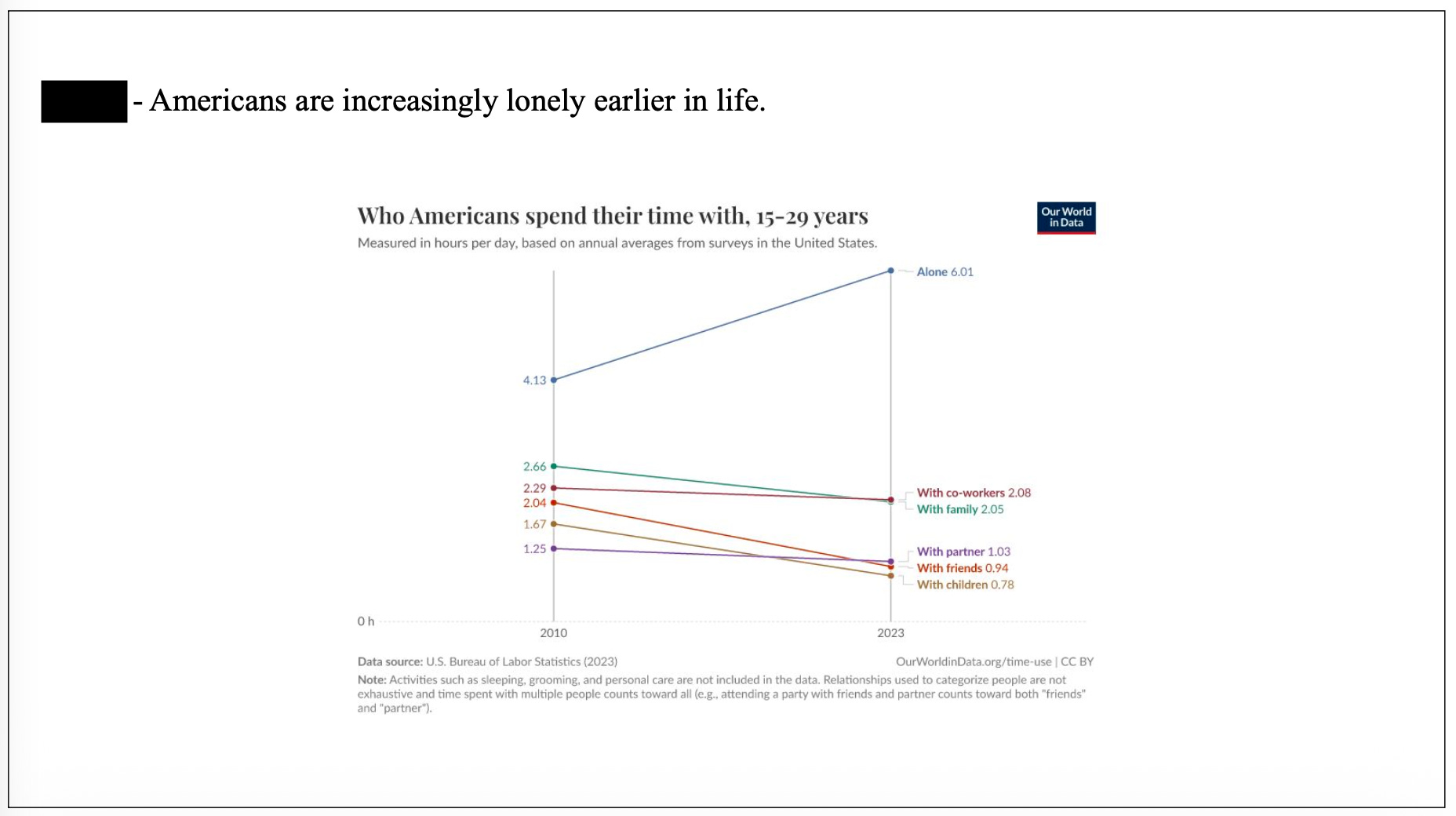
We have successfully engineered a society where material abundance and digital “connectivity" serve as the primary architects of a profound, systemic loneliness. By optimizing away the “inconvenient friction" of human dependency — replacing the communal safety net of the "village" with outsourced services like Uber and substituting the messy continuity of lifelong friendships with the hollow dopamine of shallow influencer feeds — we have effectively inverted Maslow’s hierarchy: we have secured our physical survival only to starve our social souls. As we trade spontaneous human collisions for twelve hours of daily screen time, we are proving that in our pursuit of a frictionless, automated life, we have inadvertently automated away the very relationships that a Harvard longitudinal study confirms are the only true requirement for human thriving.
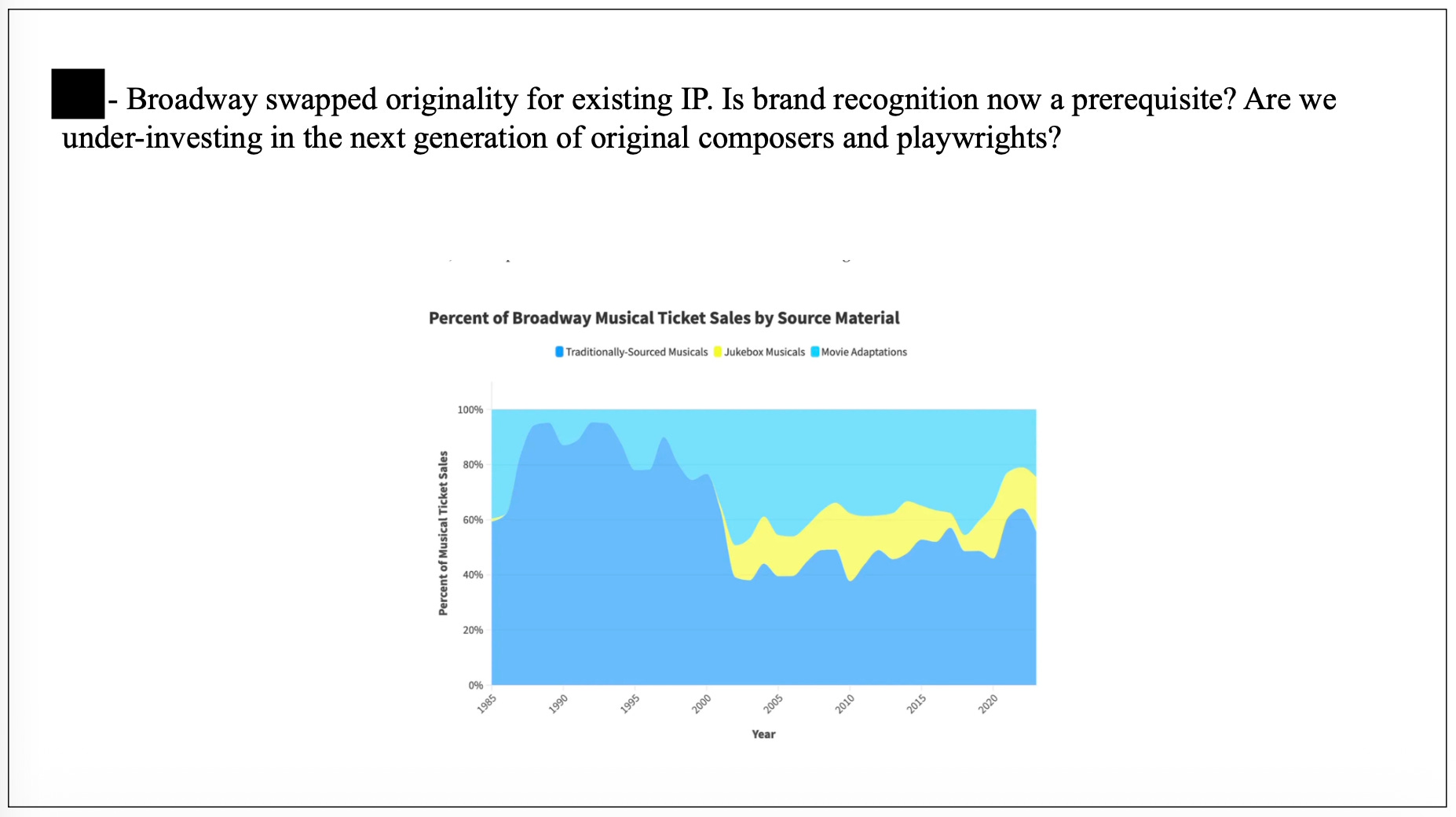
Broadway has officially entered its "safe-bet" era, where the stage functions less as a laboratory for human creativity and more as a high-stakes recycling plant for existing IP. Driven by massive capital requirements and a "boomer peak" of wealth, investors have swapped the thrill of the new for the security of the familiar, banking on the fact that an overstimulated, risk-averse audience would rather pay for a guaranteed nostalgia trip than roll the dice on an original voice. We are witnessing a fundamental commoditization of the theatrical experience: as production costs skyrocket and digital abundance erodes our collective attention spans, the "unknown" has become a financial liability no one can afford to fund. Unless AI-driven production efficiencies can lower the barrier to entry, we are stuck in a cultural feedback loop where the only thing more expensive than a front-row seat is the industry's paralyzing fear of a mediocre return.
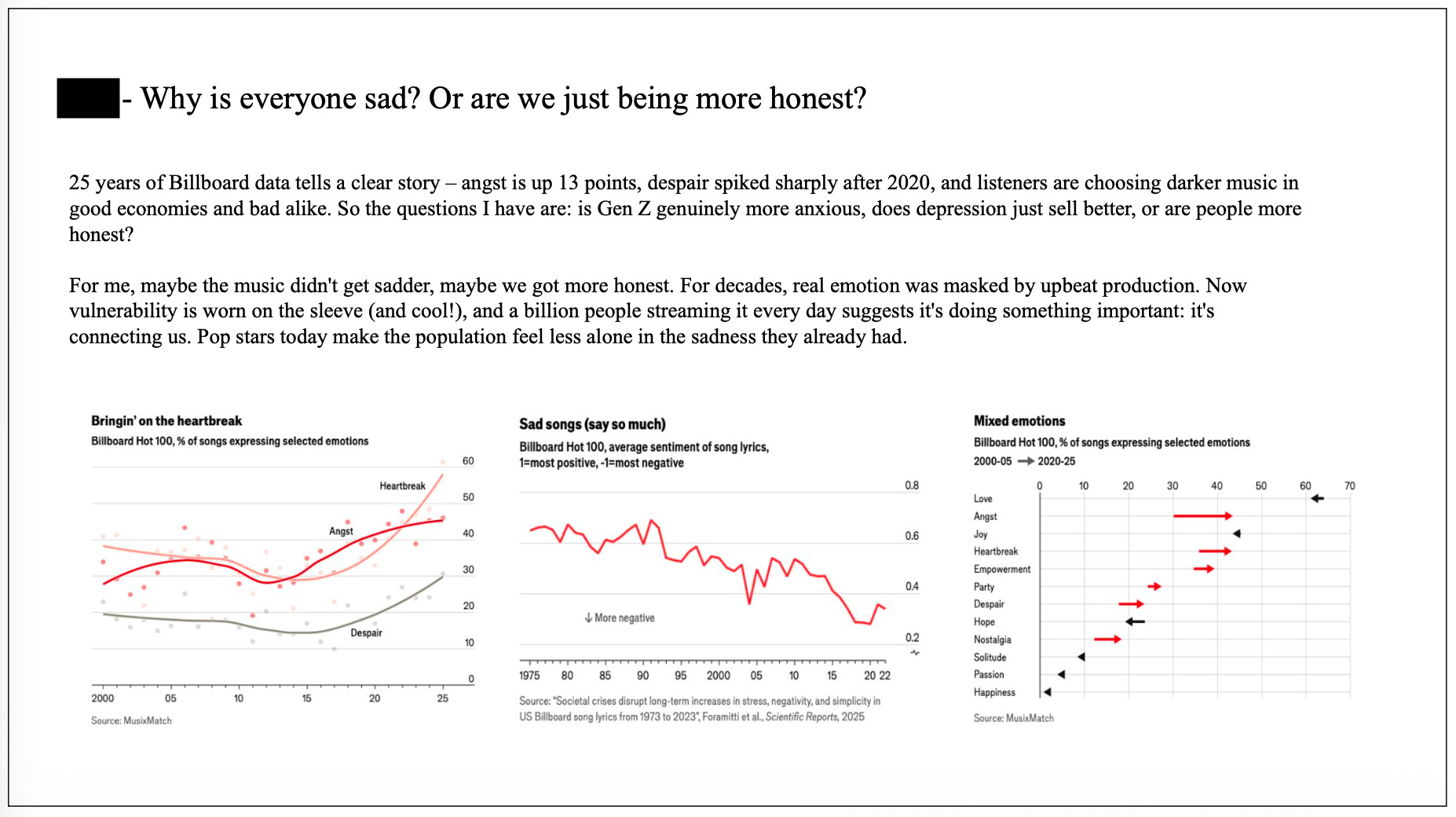
The shift from upbeat pop to the chart-topping despair of the Billboard Hot 100 reveals a chilling cultural paradox: we’ve commodified vulnerability to the point where sadness is no longer a crisis but accepted. While we might claim to be finally unmasking a historical legacy of suppressed trauma, the reality suggests we’ve built a digital panopticon of comparison where Instagram feeds and billion dollar tech exits by 19 year-olds make every personal milestone feel like a failure. Between the structural isolation of an unaffordable social life and the algorithmic pressure to perform, it seems we haven’t just become more honest; we’ve created a society where being perpetually upset is the only authentic way to stay connected in an increasingly lonely, hyper-curated world.
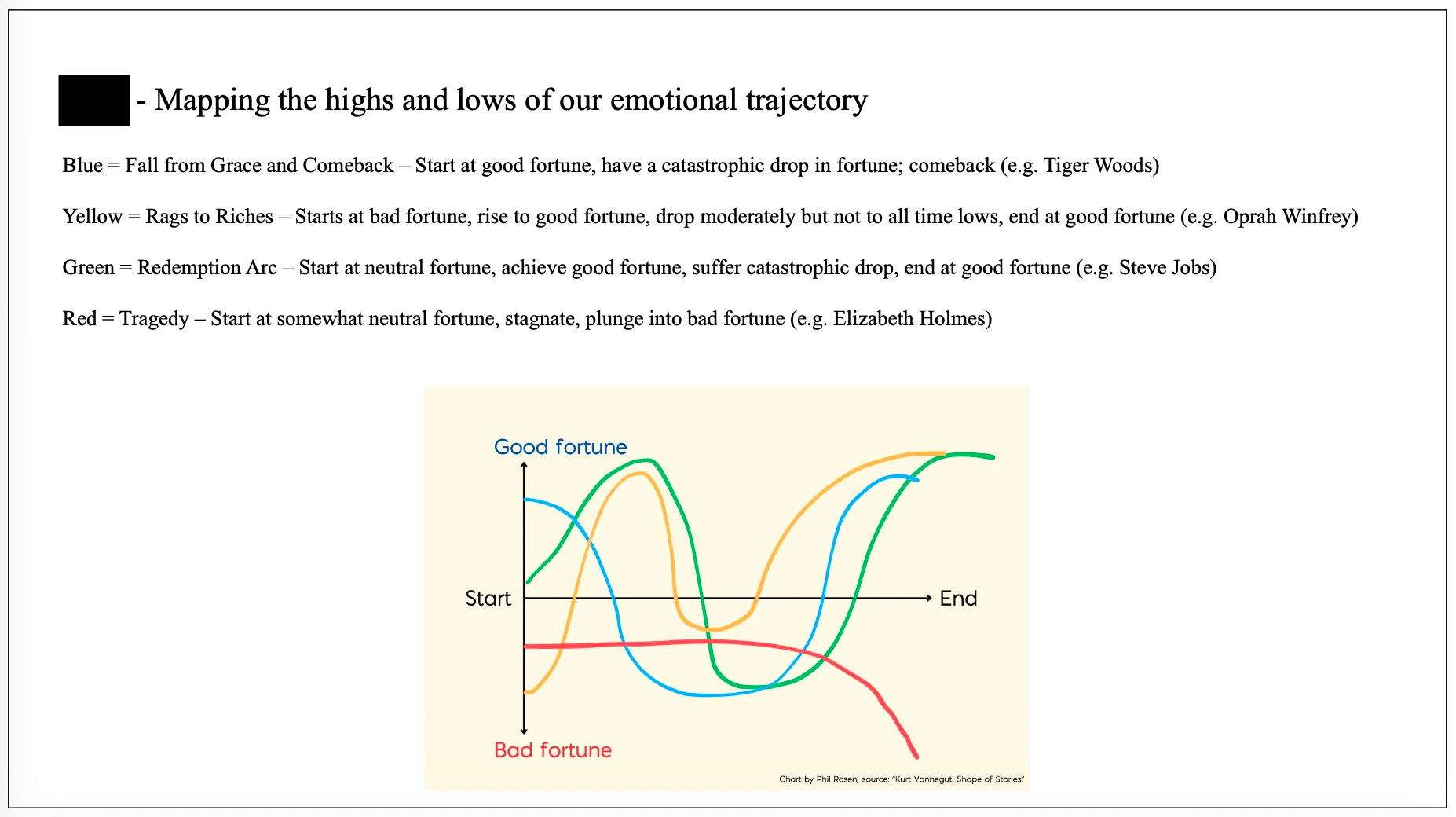
The discussion suggests that the secret sauce of generational success isn't a linear climb toward good fortune, but rather a volatile trajectory fueled by an eternal flame of fundamental dissatisfaction. By mapping Kurt Vonnegut’s emotional arcs onto the lives of founders and athletes, the group posits a cynical but compelling reality: happiness is the enemy of greatness. From the Olympic athlete who falls into a "post-gold" depression to the founder who quits because he’s "too comfortable," the consensus is that a comfortable life leads to a stagnant plateau. To truly drive progress, like a Viking explorer or a billionaire narcissist with a grudge, one must possess a chip on their shoulder or a structural trauma that makes contentment feel like a failure. Ultimately, the discussion suggested that if you aren't at least a little bit miserable, you probably don't have the hunger required to change the world.
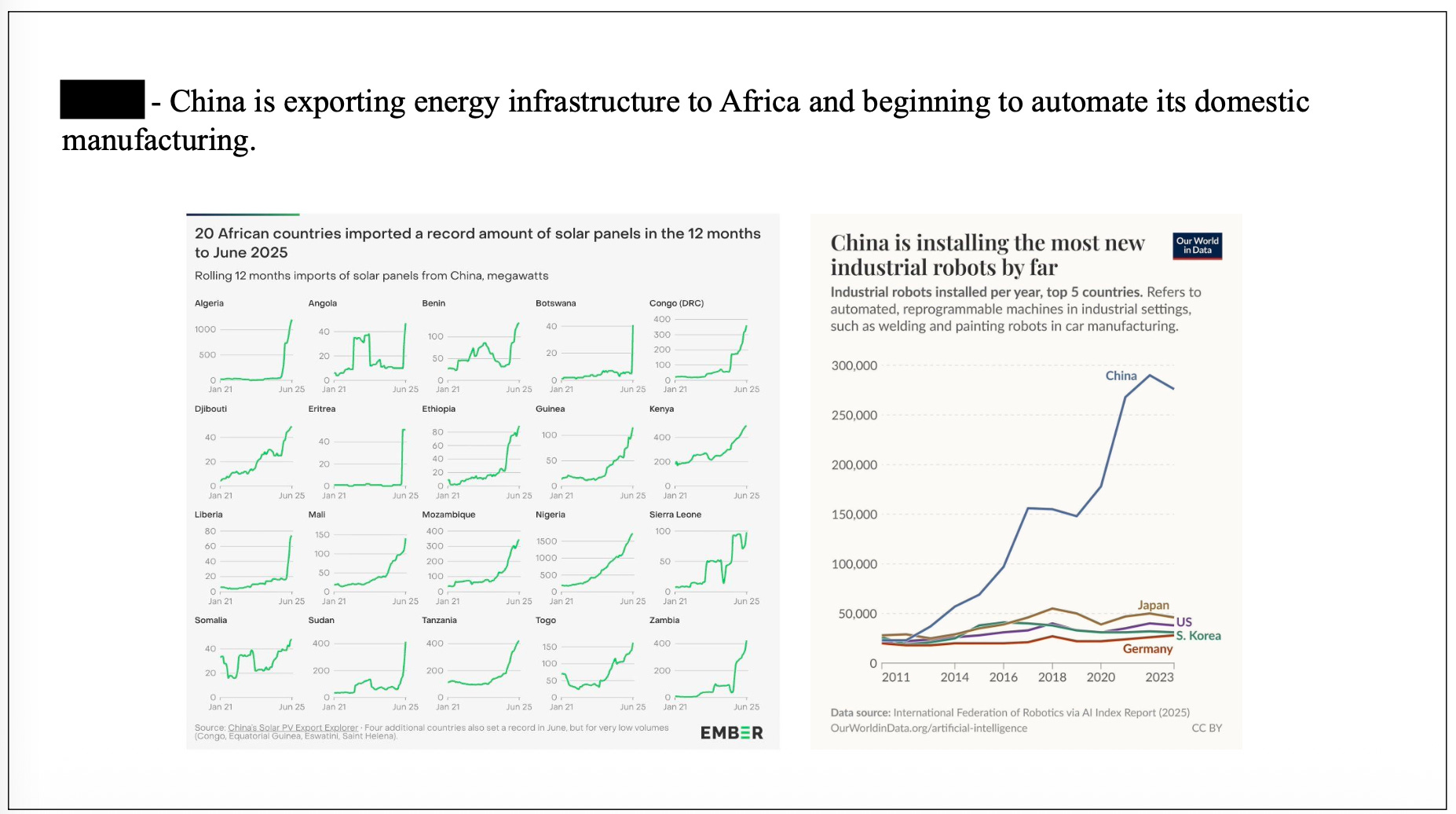
As China aggressively colonizes the future through robotic dominance and energy infrastructure, the United States is arguably behaving like a poorly run company paralyzed by internal friction and a vanishing sense of national mission. While Beijing plays a disciplined, top-down long game of industrial imperialism, Washington clings to the waning shield of “soft power" — relying on the English language and cultural exports to maintain a global relevance that is being rapidly hollowed out by China's superior physical execution. The discussion suggested a chilling ultimatum for American Hegemony: the U.S. must either trade its chaotic partisan bickering for a singular, quasi-authoritarian alignment or pray that AI can miraculously leapfrog a manufacturing base it long ago outsourced for the sake of cheap consumerism.
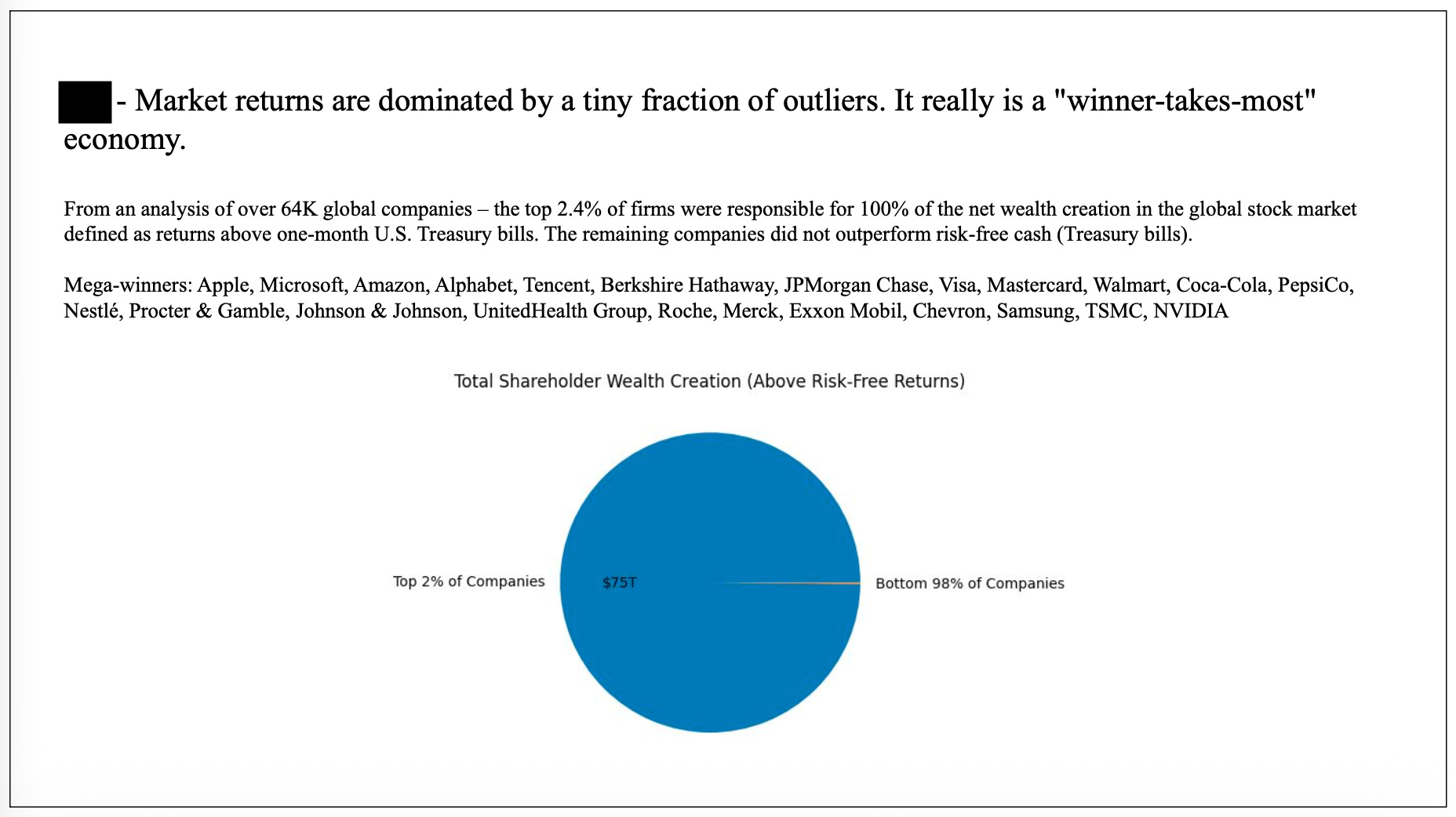
The traditional mantra of diversification is a slow-motion suicide for capital; the brutal reality of the modern market is that the bottom 98% of companies are essentially dead weight that fails to outperform a basic savings account, leaving a tiny 2% elite that drive 100% of the world's wealth. While skeptics dismissed these outliers as products of survival bias, the discussion revealed a more predatory truth: the US economy has been engineered to reward monopoly physics, where giants like Amazon and J.P. Morgan weaponize supply chains, data, and crises to swallow entire industries whole. In a landscape where regulation is toothless and mega-cap winners can launch multi-billion dollar business lines overnight, the only rational strategy is to abandon the safety of the index and bet exclusively on the asymmetric power of the next trillion-dollar disruptor before it finishes consuming its market.
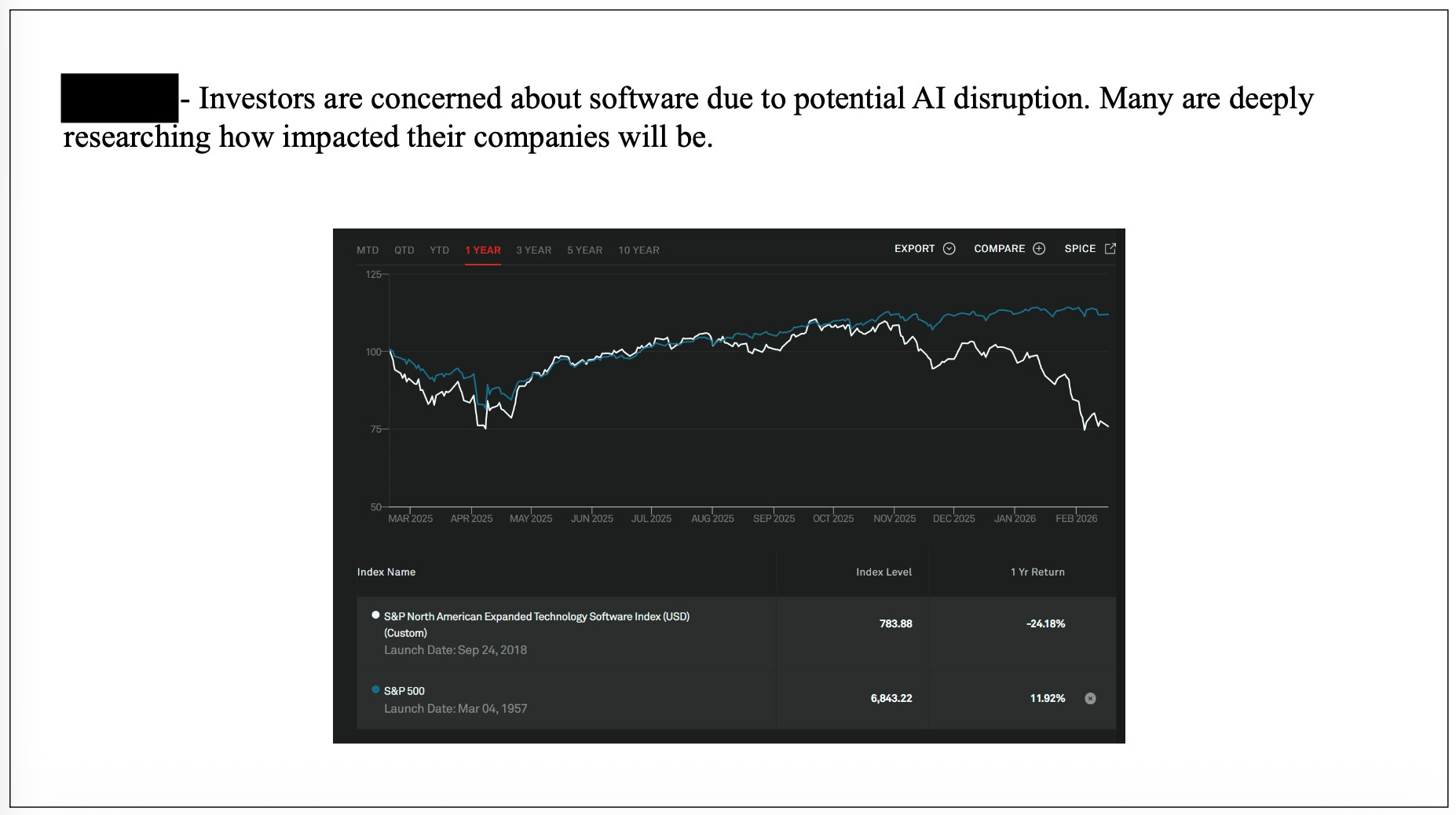
The software industry is currently facing a brutal existential crisis as AI transforms proprietary code from a premium asset into a cheap, build-it-yourself commodity. With the S&P Tech Software Index plummeting over 24%, investors are signaling that the traditional SaaS model, defined by humans clicking buttons in expensive interfaces, is now a liability rather than an asset. While incumbents like Salesforce and Microsoft cling to distribution as a moat, the buy vs. build calculus has shifted so violently that vertical software is being hollowed out by in-house AI agents. The era of seat-based subscriptions is likely dead; the only survivors will be those who pivot to outcome-based pricing that directly cannibalizes human labor or those deep enough in the infrastructure stack to avoid being reverse-engineered into irrelevance.
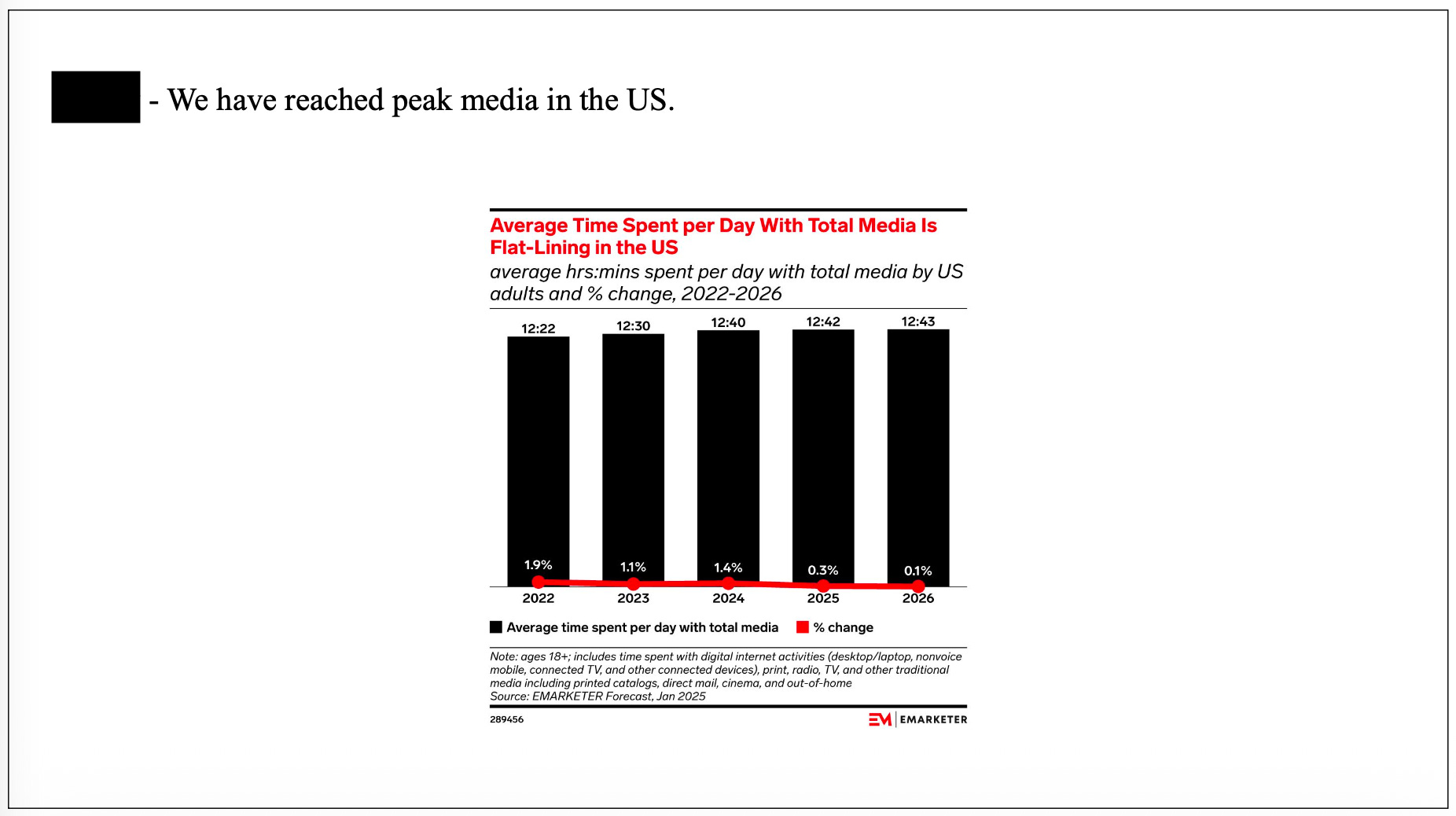
We have officially reached "Peak Media”, a zero-sum landscape where the primary competitor for our attention is no longer a rival platform, but sleep itself. As daily consumption flatlines at a staggering 12-hour ceiling, the battle for eyeballs has devolved into a desperate arms race of high-production stunts and AI-generated nonsense that threatens to bury authentic craftsmanship and human expertise under a mountain of algorithmically optimized slop. Most unsettling, however, is the emergence of a post-cultural reality where hyper-personalization has replaced shared community with invisible, label-less subcultures; we are now so precisely sorted by the God view of ranking algorithms that our digital tribes aren't just people who share our niche tastes, but — biologically speaking — people who may actually look exactly like us, effectively trapping us in a mirror world where the "other" has been filtered out of existence.